
Introduction
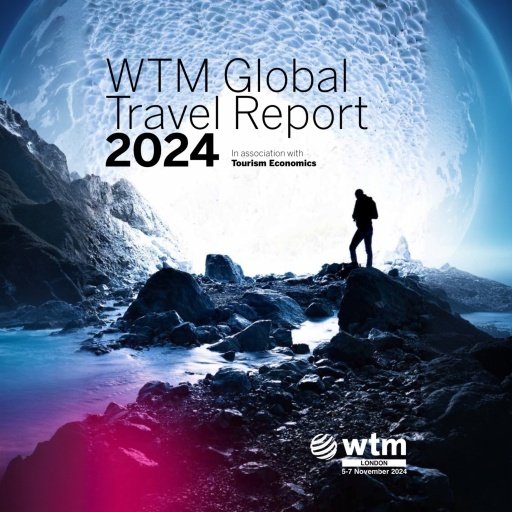
The tourism industry is entering a dynamic phase of transformation as highlighted in the WTM Global Travel Report 2024, developed in collaboration with Tourism Economics. As travel enthusiasts worldwide adapt to new consumer preferences, sustainability concerns, and technological advancements, the report provides a data-driven lens into the trends driving the global tourism sector. With global leisure travel expenditure projected to exceed $5.5 trillion and international arrivals anticipated to hit 1.5 billion in 2024, the future looks both promising and transformative.
Key Global Trends in Tourism for 2024
- Elevated Demand for Unique Experiences
- The report underscores that travelers are prioritizing meaningful and authentic experiences, with an emphasis on engaging with local cultures. This shift, fueled by the slow travel trend, encourages longer stays, deeper cultural immersion, and a focus on sustainability.
- Data indicates a growing interest in “voluntourism” and eco-tourism, with 83% of travelers highlighting the importance of sustainable travel.
- Emerging Markets on the Rise
- While advanced economies like Western Europe and the United States remain dominant in outbound tourism, emerging markets such as China and India are driving robust growth. By 2030, emerging economies are expected to account for nearly 45% of global leisure travel expenditure.
- Short-haul and regional travel are gaining traction, especially among cost-conscious consumers affected by inflationary pressures.
- Technological Innovations Transforming Travel
- The integration of AI-powered tools is revolutionizing trip planning, with over 50% of Gen Z travelers relying on AI for organizing their journeys. This technological adoption not only enhances personalization but also boosts operational efficiency across the tourism industry.
Sector-Specific Insights
Sustainability and Environmental Awareness
The report notes a growing acknowledgment of the environmental impact of travel. Sustainable tourism, characterized by eco-conscious travel behaviors and reduced carbon footprints, is expanding at an annual rate of 14%. Innovations such as hybrid rental cars, electric taxis, and third-party certifications for accommodations are gaining prominence.
The Rise of Adventure and Wellness Tourism
Adventure tourism is experiencing annual growth exceeding 15%, while wellness tourism expenditure is projected to reach $1.4 trillion by 2027. Activities such as hiking, cycling, and outdoor retreats are attracting travelers seeking both physical rejuvenation and meaningful connections with nature.
Luxury Travel and Affordable Indulgence
Luxury travel remains a significant revenue driver, with affluent travelers accounting for 30% of U.S. tourism expenditure. Interestingly, the concept of “affordable luxury” is evolving, offering budget-conscious consumers premium experiences at accessible price points.
Regional Highlights: Growth and Challenges
- Asia-Pacific: Although impacted by slower recovery in China, countries like Sri Lanka and Vietnam are poised for remarkable growth, with inbound travel spend surging up to 40%.
- Middle East: Driven by global events like the Dubai Expo and Qatar World Cup, this region has doubled its international visitor arrivals since 2019.
- Europe: Smaller markets like Albania and Armenia are outpacing traditional destinations, fueled by travelers’ desire for affordability and novelty.
Significance for the Tourism Sector
- Sustainability as a Competitive Advantage
Tourism operators must align with eco-conscious traveler expectations by adopting greener practices and promoting sustainable experiences. - Technological Integration
AI-driven innovations provide opportunities for enhanced customer engagement, seamless booking experiences, and data-driven marketing strategies. - Emerging Market Potential
By targeting high-growth regions such as Asia-Pacific and Africa, industry stakeholders can tap into expanding markets with diverse traveler demographics.
Methodology Synopsis
The WTM Global Travel Report 2024 utilizes comprehensive data covering over 185 countries, analyzing bilateral tourism flows, consumer preferences, and industry-specific metrics. Its insights stem from robust quantitative research by Tourism Economics.
Significance for the Current and Future Tourism Sector:
The global tourism landscape is poised for unprecedented growth in 2024 and beyond, propelled by evolving traveler preferences, technological advancements, and emerging market dynamics. For industry stakeholders, this is a moment to reimagine strategies, embrace sustainability, and leverage innovation to shape the future of travel.