To get access to all searches, you´ll need a subscribe
Featured Report
(UNWTO – registration required)
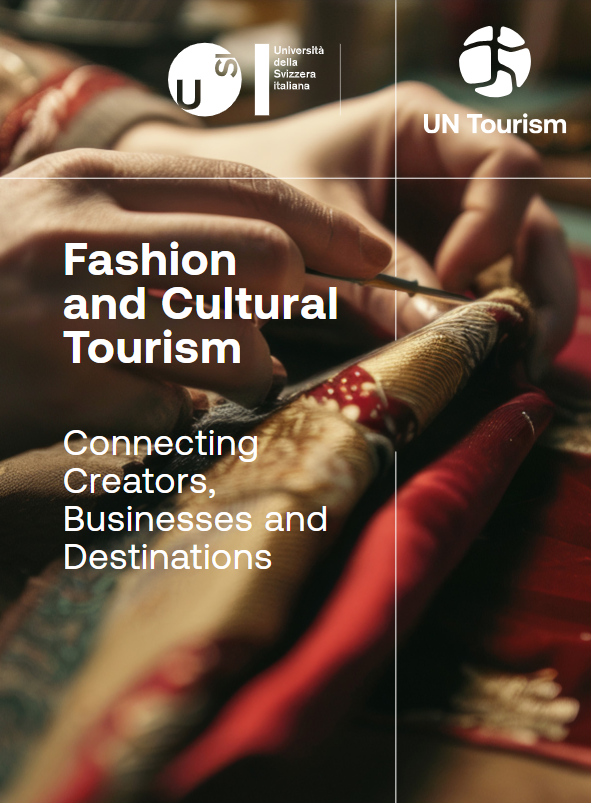
UN Tourism and USI (Università della Svizzera italiana) have partnered to explore how fashion and the creative industries can play a key role in crafting cultural tourism experiences for different audiences.
The report “Fashion, and Cultural Tourism – Connecting Creators, Businesses and Destinations” offers an overview of the key concepts and definitions related to creative industries, fashion, and cultural tourism, highlighting how destinations can leverage this synergy to attract visitors while preserving their cultural heritage.
The report also features success stories from 11 countries around the world, and provides actionable recommendations for both private and public stakeholders to integrate tourism and fashion at the destination level.
Published by UNWTO.
Reports
(UNWTO – registration required)
UN Tourism and USI (Università della Svizzera italiana) have partnered to explore how fashion and the creative industries can play a key role in crafting cultural tourism experiences for different audiences.
The report “Fashion, and Cultural Tourism – Connecting Creators, Businesses and Destinations” offers an overview of the key concepts and definitions related to creative industries, fashion, and cultural tourism, highlighting how destinations can leverage this synergy to attract visitors while preserving their cultural heritage.
The report also features success stories from 11 countries around the world, and provides actionable recommendations for both private and public stakeholders to integrate tourism and fashion at the destination level.
Published by UNWTO.

(UNWTO – registration required)
“… This report provides an overview of AI strategies, policies and regulations for several countries up to the time of publication of this report, with a high level summary of each below. More countries and details will be added in future editions of this report as the global AI landscape evolves and changes.…”.
Published by UNWTO.
(UNWTO – registration required)
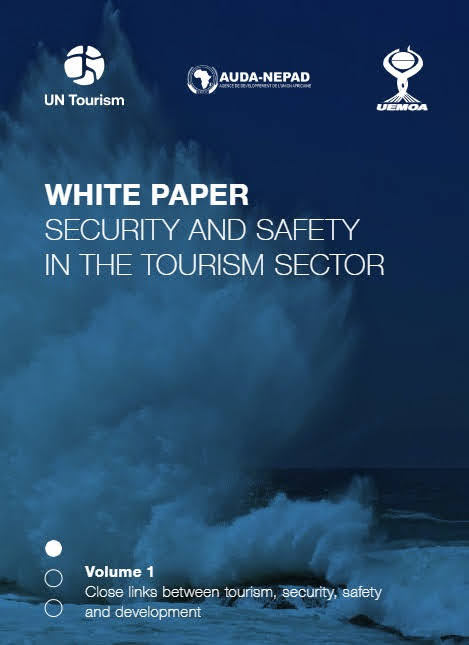
“… This volume 1 is a theoretical introduction to the close links between tourism, development, safety and security. The first part of the book examines the relationships between these concepts while including them in a more general perspective of understanding tourism as an ecosystem of actors, economic activities and destinations. Thus, it develops a more global approach to tourism by defining its actors and its short- and long-term stakes, its recent history and its major trends…”.
Published by UNWTO.
(UNWTO – registration required)
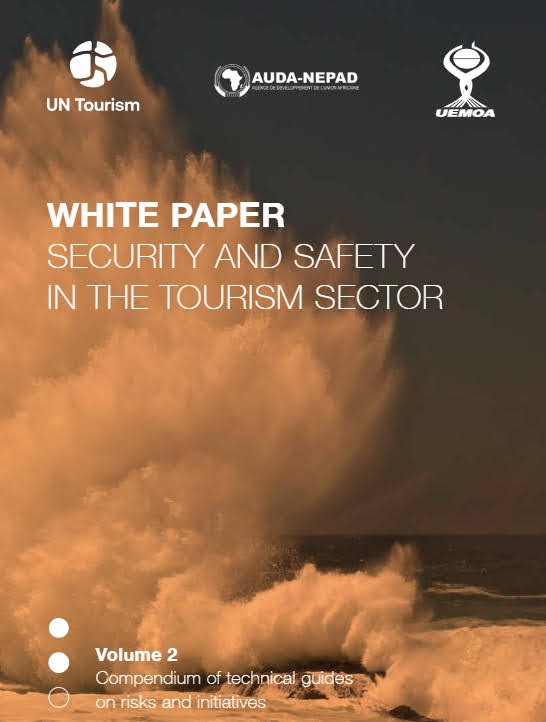
“… This volume 2 is a collection of technical guides, divided into two parts: risks and initiatives. It is intended to be as easy to access and as practical to use as possible to allow the reader to quickly become familiar with a risk or an initiative. Besides, this volume aims at enabling the readers to either effectively combat the risk in question, or to quickly understand the necessary means to implement such an initiative, as well as its objectives…”.
Published by UNWTO.
(UNWTO – registration required)
“… The main argument of this volume is that investment in initiatives to improve safety and security is effective and necessary for the development of a competitive tourism sector. Such investments can only be made with a strong political commitment and long-term involvement of decision makers who want to see an attractive, resilient and sustainable tourism sector developing in their country…”.
Published by UNWTO.
“… As generative AI adoption accelerates, survey respondents report measurable benefits and increased mitigation of the risk of inaccuracy. A small group of high performers lead the way.
If 2023 was the year the world discovered generative AI (gen AI), 2024 is the year organizations truly began using—and deriving business value from—this new technology. In the latest McKinsey Global Survey on AI, 65 percent of respondents report that their organizations are regularly using gen AI, nearly double the percentage from our previous survey just ten months ago. Respondents’ expectations for gen AI’s impact remain as high as they were last year, with three-quarters predicting that gen AI will lead to significant or disruptive change in their industries in the years ahead…”.
Get the full story at McKinsey.
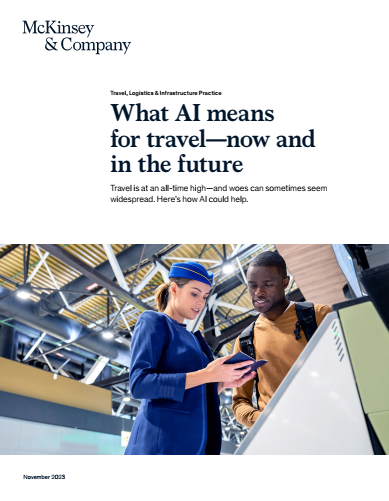
“… Travel is at an all-time high—and woes can sometimes seem widespread. Here’s how AI could help.
“Revenge travel.” It’s what a lot of people are doing these days—hitting the runways in big numbers to make up for travel time lost during the pandemic. On this episode of The McKinsey Podcast, McKinsey partners Alex Cosmas and Vik Krishnan join global editorial director Lucia Rahilly to discuss a new report on travel in the age of AI: what the technology’s promise and pitfalls are and what it may mean for the travel industry overall…”.
Get the full story at McKinsey.
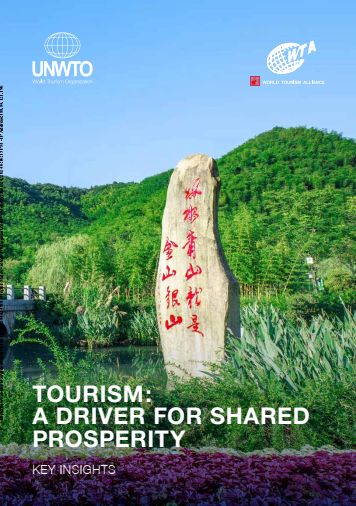
(UNWTO – registration required)
“…This document, shared at the 2023 WTA Xianghu Dialogue, highlights the transformative power of tourism in achieving shared prosperity in line with the Sustainable Development Goals. The report emphasizes tourism’s significant contribution to inclusive growth in the post-pandemic era. It advocates for strategic policies supporting education, job creation and gender equality to ensure tourism delivers widespread economic benefits. Success stories such as Yucun in China exemplify how tourism can be a boon for rural advancement. The report provides key insights to shape a sustainable tourism framework that promotes fairness and collective wealth…”.
Published by UNWTO.
(UNWTO – registration required)
“… The UNWTO Brief examines the DNV programmes in seven areas: Application process, Duration of visa, Taxation, Insurance, Accommodation, Minimum income requirements and criminal records check. The brief covers looks at the background and current state of digital nomadism trends and provides an analysis of existing DNVs worldwide covering 54 destinations in five regions…”.
Get the full story at UNWTO.
(UNWTO – registration required)
“… The report delves deeper into the social findings of the Environmental and Social Impact Research. In addressing youth and female employment, the report discusses how the Travel & Tourism sector contributes to the job market for young individuals and female workers. The report also assessed the extent to which the sector provides high-wage jobs.
In addition to these thematic analyses, the report extends its scope to include regional and national trends to highlight differences that emerge in various socio-economic contexts…”.
Get the full story at UNWTO.
(UNWTO – registration required)
“… The publication of this Handbook represents our next step towards this goal. We continue to work for and with young people to ensure their empowerment and significant contribution to the shaping of the tourism policies in the future. Our Global Youth Tourism Summit was not a one-off event. Rather, it is a process that we are committed to embrace in the years to come. We put ourselves at the disposal of our members to support them in a similar way at the national and/or regional level. Because enhancing young people’s skills and involvement in tourism begins there – in local communities, at destinations…”.
Get the full story at UNWTO.
The report “… presents an overview of the travel startup environment, and how the funding landscape has evolved across geographies, and across the different types of travel startups. Analysis is based on information obtained from the Phocuswright startup database and draws on insights from industry executives (see sidebar, “About this research”).
The report examines the kinds of investors that are funding these startups—and the types of businesses they choose for investment. It also puts forward possible future scenarios that would have implications for travel companies and stakeholders in the startup space. This article presents some of the key findings…”.
Get the full story at McKinsey.
“… From baggage screening and wayfinding apps in airports to hotel concierge services and booking engines, artificial intelligence (AI) has arrived in Travel. AI investments are poised to improve traveler experiences, increase operational efficiency, empower employees, simplify logistics and more.
AI is especially important in Travel because historical data is not as relevant as it once was. Now, understanding travelers’ needs, capturing demand, managing revenue, streamlining operations—so many fundamentals of the Travel business—hinge on capturing real-time moments and trends…”.
Get the full story at Accenture.
“… A new global survey points to a greener future for air travel.
Travel fell sharply during the COVID-19 pandemic—airline revenues dropped by 60 percent in 2020, and air travel and tourism are not expected to return to 2019 levels before 2024. While this downturn is worrisome, it is likely to be temporary. McKinsey’s latest survey of more than 5,500 air travelers around the world shows that the aviation industry faces an even bigger challenge: sustainability…”.
Get the full story at McKinsey.
(UNWTO – registration required)
“… UNWTO commissioned a desk-based study underthe Centre Stage project to explore how genderissues and women’s empowerment are integrated into national tourism policies and strategies. This snapshot publication provides an overview of thestudy of 70 publicly-available strategies and offers recommendations to policymakers for achieving‘gender-transformative’ tourism policies. This publication compiles national tourism policies and strategies used for the preparation ofthe main report…”.
Get the full story at UNWTO.
(UNWTO – registration required)
“… The return of tourism brings with it immense opportunities, as well as anxieties and challenges. The years ahead will define our sector and its important role in delivering positive transformation and sustainable development. Young people, who have been among the hardest hit by the pandemic, must benefit from our sector’s restart. At the same time, they must have a say in how tourism grows and develops, including through the work of UNWTO, as well as across the public and private sectors. This publication brings together the results of vital collaborative research into how exactly the pandemic has impacted global youth and what this means for how they view the tourism sector…”.
Get the full story at UNWTO.
(UNWTO – registration required)
“… With the COVID-19 pandemic as the starting point, it charts a path through the progress made by UNWTO in supporting the sector through the worst crisis in its history while also laying the foundations for sustainable recovery and lasting change. The World Tourism Day Report provides an overview of the work carried out across the United Nations specialized agency for tourism over this period: from working closely with Member States, international organizations and fellow UN agencies at the
political level, through to the presence on the ground providing Technical Assistance and harnessing the power of its Affiliate Members Network. At the same time, it illustrates the central role of UNWTO departments in leading the way in providing tourism data, intelligence and guidelines, in upholding and advancing ethics and equality, in promoting innovation and investments, and in accelerating tourism climate action and the sector’s contribution to a more sustainable future…”.
Get the full story at UNWTO.
(UNWTO – registration required)
“… This special report, Impact of COVID-19 on Youth– Focus on Asia and Italy, ahead of the UNWTO Global Youth Tourism Summit, has been prepared at a precipitous time as it examines how to support young people throughout the recovery and beyond. I trust this report and its findings will serve as a valuable resource as the global tourism economy is reshaped…”.
Get the full story at UNWTO.
“… The Caribbean is the region most reliant on Travel & Tourism globally. In fact, eight out of the ten most tourism-dependent countries globally in 2019 were in the Caribbean region. Between 2010 and 2019, although the sector’s average annual growth rate of 3% outpaced the regional economy growth of 1.3%, it lagged behind the global average Travel & Tourism growth of 4.2%. This shows that the region’s potential for tourism growth has not been fully exploited due to challenges such as a lack of air connectivity, the high cost of air travel, and a need for more investment in digital solutions, infrastructure and human capital, better crisis preparedness and a focus on environmental protection…”.
Get the full story at WTTC.
(UNWTO – registration required)
“… Tourism in Asia and the Pacific has transformed dramatically over the last 2 decades due to the impacts of globalization, digitalization, rising disposable incomes, and shifting consumer preferences. The coronavirus disease (COVID-19) pandemic stands out as a pivotal moment in the trajectory of tourism development. It has accelerated some trends, such as digitalization, and is likely to have permanently altered consumer preferences. This report explores how different tourism market segments may have been impacted by the COVID-19 pandemic, and more importantly what this means for policy makers seeking to move tourism onto a more sustainable development pathway…”.
Get the full story at UNWTO.

“… Its top ranking was reaffirmed, despite suffering long and damaging travel restrictions which did little to halt the spread of COVID-19 and only resulted in serious economic losses.
However, while its number one position was retained, the U.S. Travel & Tourism sector’s contribution to the nation’s economy fell by US$700 billion in 2019, to just under US$1.3 trillion last year.
Research by Oxford Economics for WTTC shows there has been no change in the top three countries – with China second and Germany third.
But the rankings are illusionary as the top economies bolstered their numbers through domestic travel, while international visitor numbers plummeted…”.
Get the full story at WTTC.
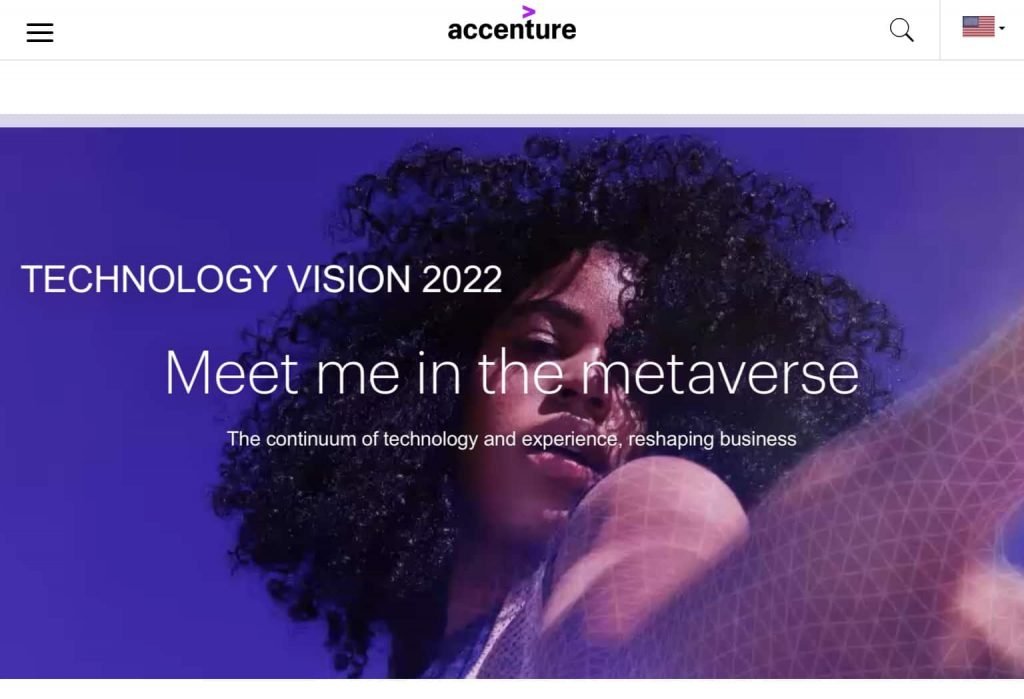
“… The next wave of digital change is here, providing forward-looking companies with an opportunity to act today to be ready for the future.
Welcome to the Metaverse Continuum—a spectrum of digitally enhanced worlds, realities and business models poised to revolutionize life and enterprise in the next decade.
It applies to all aspects of business, from consumer to worker and across the enterprise; from reality to virtual and back; from 2D to 3D; and from cloud and artificial intelligence to extended reality, blockchain, digital twins, edge technologies and beyond. As the next evolution of the internet, the metaverse will be a continuum of rapidly emerging capabilities, use cases, technologies and experiences.
The Metaverse Continuum will transform how businesses interact with customers, how work is done, what products and services companies offer, how they make and distribute them, and how they operate their organizations…”.
Get the full story at Accenture.
(UNWTO – registration required)
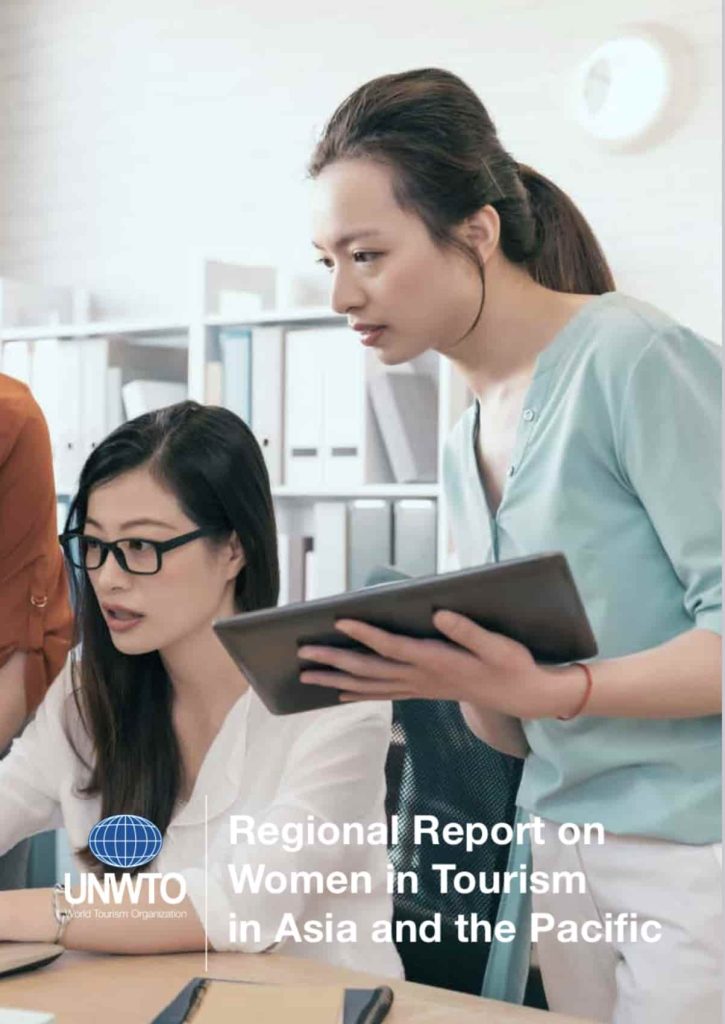
“… The Regional Report on Women in Tourism in Asia and the Pacific maps the participation of women in the tourism sector across the region. In doing so, it assesses the contribution of tourism to advancing the United Nations Sustainable Development Goal 5 – to achieve gender equality and empower all women and girls. The report aims to inform further work on gender equality and equip stakeholders with the tools they need to boost women’s empowerment in the region’s tourism sector….”.
Get the full story at UNWTO.
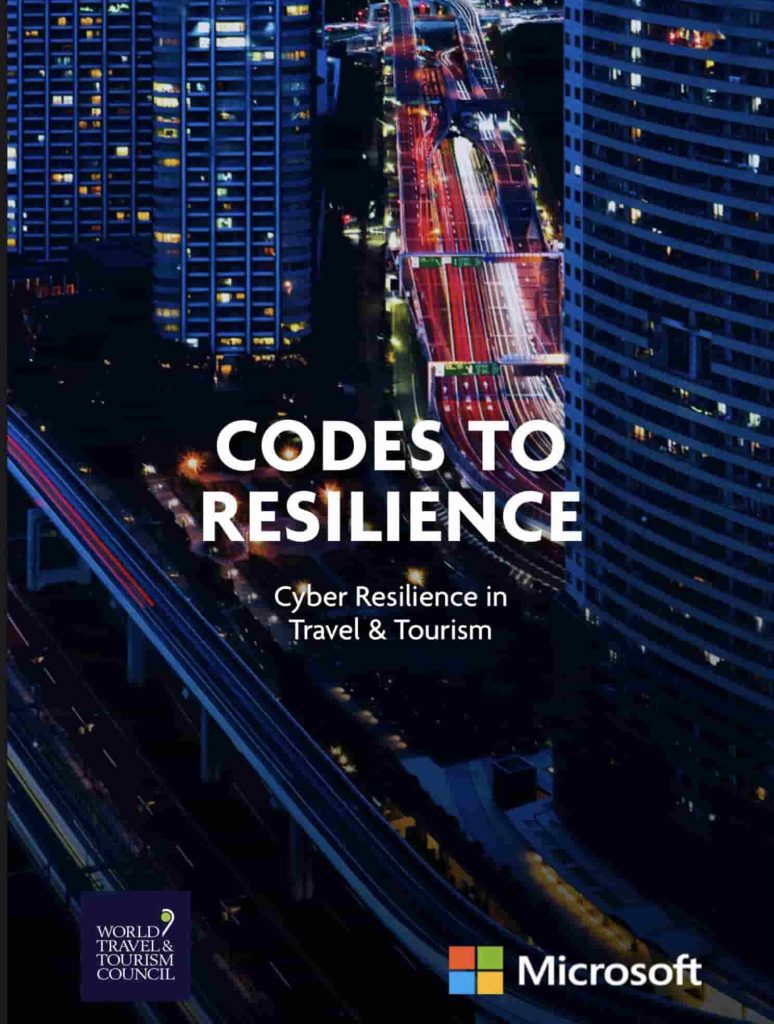
“… The report shows that whilst the COVID-19 pandemic has propelled the world and the sector into a more digital future, with the opportunities provided by digitalisation, new challenges have emerged, especially in cybercrime.
The inaugural report focuses on three key areas considered critical for the sector: cyber resilience, key issues and six best practices based on the lessons learnt prior to and during the pandemic.
According to the report, more than seven out of 10 (72%)SMEs in the UK, the U.S., and Europe, have fallen victim to at least one cyberattack, and with SMEs representing 80% of all Travel & Tourism businesses, mitigating cyber risk must remain a priority for the sector…”.
Get the full story at WTTC.
“… This report is for government authorities and should be read alongside the WTTC Report on Digital Solutions for Reviving International Travel 1 and is an extension of that report. It provides additional advice and best practice guidance on implementing a Digital Travel Portal.
The Digital Solutions for Reviving International Travel report provided guidance for countries that would enable them to meet the commitments made by governments in 2021 at the WHO, ICAO, OECD, G7 and G20 for the safe and efficient COVID-19 health checks of travellers in a way that was globally interoperable and internationally scalable…”.
Get the full story at WTTC.
“… Disruption has ensued since the dawn of the digital era — but it exploded in intensity and breadth starting in 2020. Meanwhile, customers and employees are demanding more: seamless cross-channel experiences, convenience, reassurance, and commitment to environmental, social, and governance (ESG) values. The list keeps growing, as does the list of harsh realities that challenge progress: the pandemic, supply chain disruptions, and the “Great Resignation.” As a result, the need to act quickly and intelligently in the moment has never been so critical. In 2022, business leaders will invest in technology and refocus business strategies. AI adoption and tech spending will accelerate. Tech companies will jump into adjacent markets, equally capitalizing on opportunity and sowing confusion. Greenwashing will wash away as sustainability becomes a must-have…”.
Get the full story at Forrester.
(UNWTO – registration required)
“… The business case for advancing gender equality are well documented. In tourism, the benefits are further amplified due to the high proportion of women working in the sector. The “Gender Inclusive Strategy for Tourism Businesses” contains tools to support private sector tourism enterprises of all types and sizes achieve effective and consistent strategies and programmes for gender equality across their operations…”.
Get the full story at UNWTO.
(UNWTO – registration required)
“… The COVID-19 crisis has revealed the absence of an international legal framework to assist international tourists in emergency situations and the lack of uniformity at the international level regarding tourism consumer protection rights. During the crisis, the closure of borders with little notice left hundreds of thousands of tourists stranded abroad, millions of flights were cancelled and the situation soon deteriorated, impacting negatively on the confidence of tourists regarding their rights to assistance in emergency situations and consumer rights in general…”.
Get the full story at UNWTO.
(UNWTO – registration required)
“… The Gender Mainstreaming Guidelines for the Public Sector in Tourism contain tools to support national, regional, local and other tourism institutions apply an approach to tourism planning, programming and implementation that integrates gender equality and women’s economic empowerment…”.
Get the full story at UNWTO.
“… Outlines a digitally interoperable, efficient and scalable solution, which draws on guidance developed for governments from the World Health Organization (WHO), International Civil Aviation Organization (ICAO) and Organisation for Economic Co-operation & Development (OECD).
Outlines a practical digital solution for COVID-19 checks of travellers for the safe resumption of international travel…”.
Get the full story at WTTC.
“… The Covid-19 pandemic in 2020 was a digital wake-up call for the travel and hospitality industry, placing new demands on companies across the sector and creating an urgent need for solutions to address them.
Travelers demanded more online shopping options, digital communications, and contactless solutions, forcing companies to adapt how they served customers. Meanwhile, behind the scenes, organizations had to design new ways of working as employees shifted to remote work using new digital collaboration tools to stay productive. On top of all this, organizations across the industry dealt with new challenges to their business models, including unanticipated changes in consumer demand, new distribution strategies, and rapid experimentation with new products and services…”.
Get the full story at Skift,
Sponsored by AWS.
Previous Editions:
(UNWTO – registration required)
“… The crash in international tourism due to the coronavirus pandemic could cause a loss of more than $4 trillion to the global GDP for the years 2020 and 2021, according to an UNCTAD report published on 30 June.
The estimated loss has been caused by the pandemic’s direct impact on tourism and its ripple effect on other sectors closely linked to it.
The report, jointly presented with the UN World Tourism Organization (UNWTO), says international tourism and its closely linked sectors suffered an estimated loss of $2.4 trillion in 2020 due to direct and indirect impacts of a steep drop in international tourist arrivals…”.
Get the full story at UNWTO.
“… The sector’s contribution to global GDP fell from nearly US$ 9.2 trillion in 2019, to just US$ 4.7 trillion in 2020, representing a loss of almost US$ 4.5 trillion. Furthermore, as the pandemic ripped through the heart of the sector, a shocking 62 million Travel & Tourism jobs were lost while many still remain at risk.
The report reveals that capital investment dropped by almost one third (29.7%) last year, plummeting from US$ 986 billion in 2019, to just US$ 693 billion in 2020 and now, as we head towards recovery, investment in Travel & Tourism has never been so critical…”.
Get the full story at WTTC.
(UNWTO – registration required)
“… Big data is already being used to measure, monitor, and manage tourism development, but its potential remains to be fully exploited. This report discusses the trends, opportunities, and challenges in using big data and digitalization in the tourism sector. It highlights how big data is being leveraged for COVID-19 recovery and examines its relationship with statistical frameworks to better measure the economic, social, and environmental impact of tourism. Case studies of partnerships in Asia and the Pacific between the public and private sector demonstrate ways to tap big data…”.
Get the full story at UNWTO.
(UNWTO – registration required)
“… The publication highlights good practices, features case studies and recommendations for policymakers and other tourism stakeholders on how to ensure that creativity, innovation, traditions and cultural heritage in tourism are properly protected and commercialized and that the benefits are shared by all.
In this context, IP rights are powerful tools that can be used to boost tourism development and competitiveness. The IP system is designed to promote creativity and innovation and support efforts by individuals, businesses and other actors to differentiate themselves and their products and services in the marketplace, whether through trademarks, geographical indications, copyrights or patents,” they added…”.
Get the full story at UNWTO.
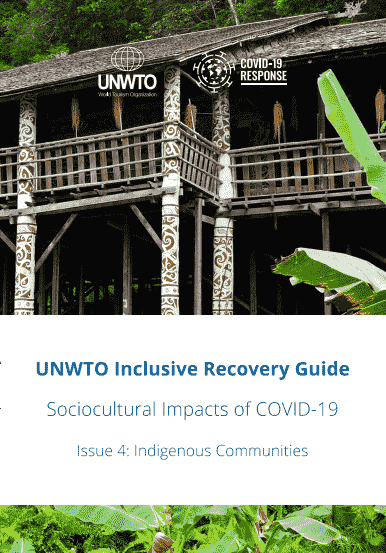
UNWTO Inclusive Recovery Guide – Sociocultural Impacts of Covid-19:
(UNWTO – registration required)
The UNWTO Inclusive Recovery Guides on the sociocultural impacts of COVID-19 are living guidelines, subject to revision as the health situation evolves and more information becomes available on the most effective ways to make tourism inclusive and accessible for all.
Published by UNWTO.
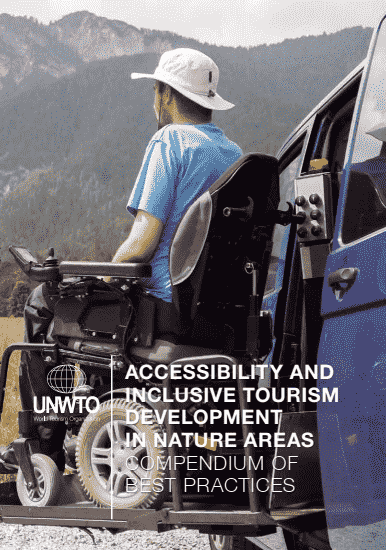
(UNWTO – registration required)
“… This publication addresses the relative lack of research carried out into the topic of accessibility in nature areas to date. Through multiple cases studies and examples of best practices drawn from UNWTO Affiliate Members and other organizations, it illustrates different ways of designing and implementing projects aimed at improving accessibility in nature and so enabling persons with disabilities to travel to these areas.
Aimed at all tourism stakeholders from both the public and private sectors, including destination management organizations, tourism businesses, NGOs and other tourism entities, this publication also provides relevant conclusions on how to identify accessible tourism products and services in natural areas. The compiled examples can inspire others to launch similar initiatives aimed at achieving a greater inclusivity and making nature accessible to all…”.
Get the full story at UNWTO.
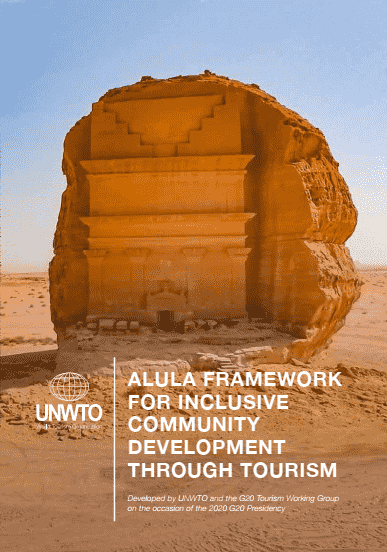
(UNWTO – registration required)
“… Under the leadership of the 2020 G20 Saudi Presidency, the World Tourism Organization (UNWTO) and the G20 Tourism Working Group have developed the AlUla Framework for Inclusive Community Development through Tourism to help fulfil the sector’s potential to contribute to and achieve inclusive community development and the Sustainable Development Goals. The Framework provides guidance and inspiration to all governments, as well as all other key stakeholders in the tourism sector – including regional and local governments, the private sector, industry associations, civil society, communities and tourists – with the aim of fostering a truly holistic and integrated approach to inclusive community development through tourism…”.
Get the full story at UNWTO.
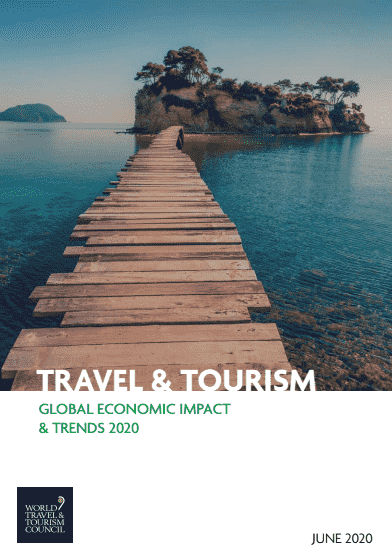
(will be downloaded)
“… For nearly 30 years, the World Travel & Tourism Council (WTTC) has been quantifying the economic and employment impact of Travel & Tourism, highlighting the importance of the sector to the global economy. The 2019 annual research covers 185 countries and economies, and 25 regions of the world and reveals that the sector accounted for 10.3% of global GDP and 330 million jobs, or 10.4% of total employment in 2019. Over the past five years, one in four of all net new jobs created across the world has been in Travel & Tourism…”.
Get the full story at WTTC.

“… The white paper provides a practical framework for moving Regenerative Travel from buzzword to paradigm shift. Case studies from hotels detail how tourism can act as a healing force and transformative change agent, especially as we move from the current threat of the COVID-19 pandemic to the next imminent threat of climate change. Stakeholders include hoteliers, industry leaders, trade, media, travel designers, travelers and especially the local communities most impacted by travel. The white paper aims to create an industry reference to define what regenerative principles are in order to create the paradigm shift for all stakeholders…”.
Get the full story at Hospitality Net.
“… COVID-19 is likely to have a negative impact on diversity and inclusion across the hospitality, travel and leisure (HTL) sector, a new study finds. According to Women in Hospitality, Travel & Leisure (WiHTL), COVID-19 has exacerbated existing imbalances and discrepancies present in HTL businesses, particularly as they relate to the representation of women and ethnic minorities at all levels. The report includes data from the MBS Group based on conversations with more than 60 of the sector’s leading businesses, as well as findings from a PwC survey of 1,500 HTL employees and real-life case studies and insights from within the WiHTL community…”.
Get the full story at PhocusWire.
(registration required)
“… Skift partnered with Amazon Web Services on a survey investigating the opinions of travel industry executives worldwide on the topic of digital transformation. Close to 1,000 respondents participated in the research, answering a range of questions about the state of their digital transformation plans, budgets invested, digital capabilities, and talent, staffing, training. The responses were then supplemented with executive interviews and case studies gathered from some of the leading companies in the industry today…”.
Get the full story at Skift.
Previous Editions:
| 2018 |
“… The study findings speak for themselves: enterprise leaders from finance, procurement, IT, HR and travel management can’t ignore the benefits corporations achieved by integrating travel and expense solutions. These benefits are: better compliance with travel and expense policies, increased user satisfaction, improved financial planning and analytics. This is a commissioned study conducted by Forrester Consulting on behalf of Amadeus, published in September 2020.
The study is based on qualitative interviews and a survey carried out amongst 556 respondents between February and June 2020. The participants include manager level and above decision-makers from finance, procurement, travel management, HR and IT involved in travel and expense management at large enterprises…”
Get the full story at Amadeus.
(will be downloaded)
The report “… report, in partnership with Oliver Wyman, and Pangiam as one of the advisors, brings a set of recommendations and best practices aiming to assist in the establishment of globally interoperable, technology agnostic, biometric-enabled solutions, which cover the end-to-end traveller journey from booking to trip completion…”.
Get the full story at WTTC.
(UNWTO – registration required)
“… With new situations emerging from the unprecedented COVID-19 pandemic, some clarifications need to be made to the UN statistical standards on tourism to ensure the consistency of the relevant data and keep them in line with international standards.This publication serves as a reminder of the main concepts and definitions used in tourism statistics. It also provides conceptual guidance on the main data and indicators of the UNWTO’s statistical database related to situations arisen in the context of the COVID-19 crisis…”.
Get the full story at UNWTO.
(UNWTO – registration required)
“… This second edition of the report considers how the situation has evolved since then and provides a thorough assessment of tourism’s contribution towards United Nations Sustainable Development Goal 5 – to achieve gender equality and empower all women and girls…”.
Get the full story at UNWTO.
(UNWTO – registration required)
The 2019 Visa Openness Report for Africa prepared by UNWTO continues the analysis of visa policies and progress made in visa facilitation over the past ten years, supporting destinations with evidence-based policy making and helping prioritize activities within their facilitation policies.
Published by UNWTO.
(UNWTO – registration required)
“… This paper prepared by the World Tourism Organization (UNWTO) in collaboration with its Affiliate Member CEGOS and benefitting from International Labour Organization (ILO) contributions within the framework of the 9th Meeting of Tourism Ministers of the G20, presents the emerging realities resulting from the transformations affecting the current and future of work in tourism…”.
Get the full story at UNWTO.
Published by Young Hoteliers Summit held at Ecole hôtelière de Lausanne.
“… The travel industry is undergoing a major transformation, thanks to technology and the growth of technology-driven business models and shifts in customer and workforce demographics. The rapid advance of digital technologies, the growing impact and scale of nontraditional travel markets, evolving competitive marketplace dynamics…”.
Get the full story at Spencer Stuart.
(will be downloaded)
“… This report, published in collaboration with U.S.- Asia Center for Tourism & Hospitality Research at Temple University in the USA, provides an overview of mobile payment in Travel & Tourism complete with results of a detailed survey of outbound Chinese travellers – leaders in their desire to use mobile payment…”.
Get the full story at WTTC.
(will be downloaded)
“… The female share in Travel & Tourism’s employment is greater than that of the overall economy in eleven of the nineteen G20 countries in this study. Across the G20…”.
Get the full story at WTTC.
“… This report scopes out the benefits and challenges of analysing tourism from a trade in value added perspective. It identifies the priority actions to strength the underlying ‘value chain’ of national statistics needed to build analyses tourism from a trade in value added perspective, and sets out a roadmap to make progress. It builds on wider OECD work on Trade in Value Added (TiVA), and represents a first attempt to better link tourism data with the underlying Inter-Country Input-Output (ICIO) infrastructure. Pilot country analysis for Canada, Portugal and the United Kingdom is presented…”.
Get the full story at OECD.
“… This research is based on diversity data and interviews with the CEOs, Chairs and Human Resource leaders of 120 businesses across the sector, as well as data in the Hampton-Alexander review. Here’s what it found…”.
Get the full story at PWC.
(UNWTO – registration required)
“… As an outcome of the work of the Committee on Tourism and Competitiveness (CTC), the 22nd Session of the General Assembly held in Chengdu, China (11–16 September 2017), adopted as Recommendations (A/RES/684 (XXII)) some operational definitions used in the tourism value chain, as well as a set of operational definitions on some selected tourism types. Along with the operational definitions the Committee has also focused on identifying the key quantitative and qualitative factors for tourism competitiveness under two categories: 1. Governance, management and market dynamics; and 2. Destination appeal, attractors, products and supply…”.
Get the full story at UNWTO.
(UNWTO – registration required)
“… The report, undertaken through a survey of UNWTO member states and expert opinion, affirms that cultural tourism plays a major role in global tourism today. It also reveals that the sub-sector, in keeping with the changes to tourism as a whole, has been transformed by changing lifestyles, new forms of culture and creativity, and evolution and innovation in technology…”.
Get the full story at UNWTO.
Published by Finn Partners and CatchOn.
By Carlos Martin-Ríos (PhD). Associate Professor Ecole hôtelière de Lausanne, EHL Switzerland.
“… The biggest players from Silicon Valley and further afield have zeroed in on this tech as potentially transformational and one in which they must have a stake. Already this has resulted in billions of devices with embedded artificial intelligence that can understand and respond to voice commands…”.
Get the full story at EyeforTravel.
“… The value of global tourism has reached $5.29 trillion in 2017 — and the size of the market only continues to expand. Travel spend has grown steadily across the world, especially in Asia Pacific, the Middle East, and Latin America. A key contributing factor to the market expansion is a growing middle class in many large markets with more spending power and interest in travel due to social media…”.
Get the full story at Tripadvisor.
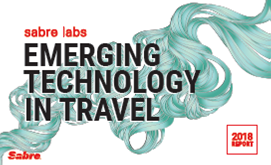
“… Sabre Labs is excited to share our Emerging Technology in Travel Report 2018. It distills our last year of research and exploration to three themes—automation, authenticity and blockchain—to help businesses make strategic decisions for 2018 and beyond…”.
Get the full story at Sabre labs.
(available upon registration)
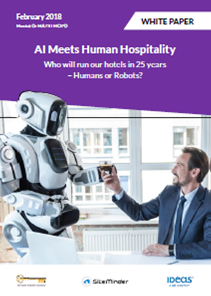
“… A white paper by SiteMinder and IDeaS Revenue Solutions has found that while hoteliers fear a future where their properties are run by robots, they believe artificial intelligence (AI) may be the key to delivering a highly-personalized guest experience…”.
Get the full story at Siteminder.
(available upon registration)
“… Trust is more crucial than ever in today’s digital economy. From the rise of crypto-currencies to the explosive growth of the sharing economy, the need to verify identity has reached nearly every corner of the digital universe. For businesses that transact within online communities, offering verification for user profiles is often the backbone of any trust-reliant community…”.
Get the full story at Mitek.
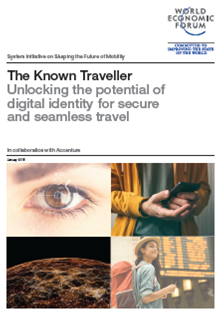
“… A new report from the recent World Economic Forum aims to break down the barriers to a saner means of vetting airline passengers. People have considered passenger facilitation and ensuring border security to be mutually exclusive, the report says, and trusted-traveler and registered traveler programs can’t by themselves achieve the paradigm shift toward a “Known Traveller Digital Identity concept” …”.
Get the full story at Tnooz.