
Introduction
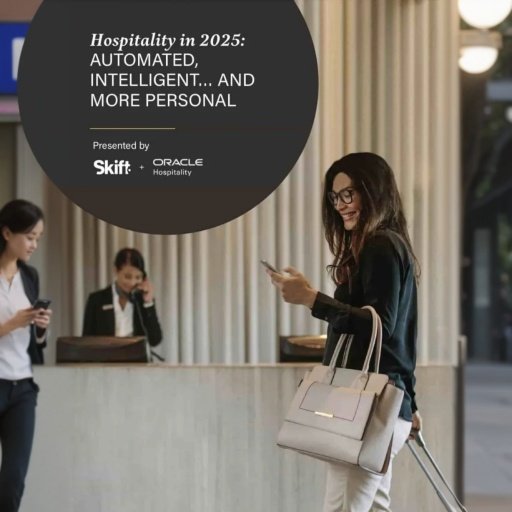
As the hospitality industry navigates an era of rapid technological change and evolving guest expectations, the Hospitality in 2025 report by Skift and Oracle Hospitality provides a roadmap for what’s next. With a focus on automation, personalization, and technological innovation, the report highlights how hotels can enhance guest experiences, address labor challenges, and generate revenue through smarter service models. The future of hospitality is not only about adapting to change but also about leveraging it to create deeper human connections.
The Three “Cs” of Hospitality Technology: Comfort, Control, and Convenience
Guest expectations have shifted significantly in recent years, with the pandemic accelerating the adoption of technologies like contactless check-ins and personalized in-room services. The report emphasizes the importance of three “Cs”—comfort, control, and convenience—as foundational principles for future hotel technology.
- Contactless Services: Over 60% of hospitality executives consider fully contactless transactions essential, from check-ins to room keys and food orders.
- On-Demand Personalization: Guests increasingly demand the ability to use their own devices for hotel access and entertainment, with more than 40% prioritizing personalized streaming services.
- Automated Comfort Controls: Technologies that automatically adjust room temperature, lighting, and other features based on guest preferences are becoming must-haves for modern travelers.
These technologies not only streamline the guest experience but also free up staff to focus on personalized, high-touch service.
Automation as a Driver of Hospitality
The role of automation is expanding, with a focus on complementing rather than replacing human service. Automated messaging systems, chatbots, and AI tools can handle routine tasks like room service requests or inquiries about amenities, allowing staff to focus on creating memorable guest interactions.
- Streamlining Operations: Chatbots can handle 70–80% of common guest requests, reducing response times and increasing efficiency.
- Choice and Customization: Automation enables hotels to offer guests the choice of interacting via digital channels or traditional face-to-face service.
- Labor Solutions: With ongoing staffing shortages, automation helps address labor gaps by taking over repetitive tasks and empowering employees to focus on more fulfilling roles.
As one executive noted, “Automation is not about replacing people—it’s about giving them the freedom to deliver exceptional service.”
The Rise of Personalization
Personalization is at the heart of the hotel experience in 2025. The report highlights how data and AI can enhance the guest journey, offering tailored recommendations, dynamic pricing, and curated services.
- AI-Powered Insights: By analyzing guest preferences and behaviors, AI can recommend personalized room upgrades, dining options, or activity packages.
- Seamless Data Integration: Integration of guest data across platforms ensures continuity in service, from booking to check-out.
- Transparency and Trust: Hoteliers must balance personalization with data security, ensuring guests feel comfortable sharing their information.
Addressing Labor Challenges with Technology
Labor shortages remain a critical issue for the hospitality industry, but technology offers solutions:
- Mobile Technologies: Tools like mobile property management systems enable staff to respond to guest needs in real time, improving efficiency.
- Staff Retention: Intuitive technologies reduce employee stress and create a more appealing work environment.
- Training and Development: Simplified interfaces and automated processes make it easier to onboard and train new employees.
By investing in technology that supports their workforce, hoteliers can enhance both employee satisfaction and guest experiences.
Revenue Through Customization
Unbundling services allows hotels to meet individual guest needs while increasing revenue. The report highlights the growing importance of non-room revenue streams, such as:
- Upsells and Add-Ons: Personalized offers for early check-ins, late check-outs, or room upgrades.
- On-Site Experiences: Amenities like electric car rentals, fitness classes, and curated excursions.
- Dynamic Pricing Models: AI-driven pricing adjusts based on demand and guest profiles.
With 90% of guests open to paying for only the services they use, customization is a win-win for guests and hoteliers alike.
Final Reflections
The Hospitality in 2025 report underscores three transformative insights:
- Balancing Technology with Humanity: Automation and AI are tools for enhancing—not replacing—human hospitality. By leveraging technology, hotels can deliver personalized, memorable experiences.
- Sustainability as a Priority: Guests and hoteliers alike are increasingly committed to eco-friendly practices, from energy-efficient technologies to sustainable business models.
- Empowering Employees Through Innovation: Technology that supports and streamlines operations allows staff to focus on what truly matters: connecting with guests.
Conclusion
The hospitality industry is on the brink of a new era, one defined by automation, personalization, and adaptability. As the Hospitality in 2025 report highlights, embracing innovation while staying true to the core values of service and human connection will be essential for success. By preparing today, hoteliers can create an exciting, inclusive, and sustainable future for all.
Methodology
The report is based on insights from over 5,000 consumers and 600 hoteliers across nine global markets. The survey explores emerging technologies, labor strategies, and guest expectations to provide actionable recommendations for the future of hospitality.