
Introduction
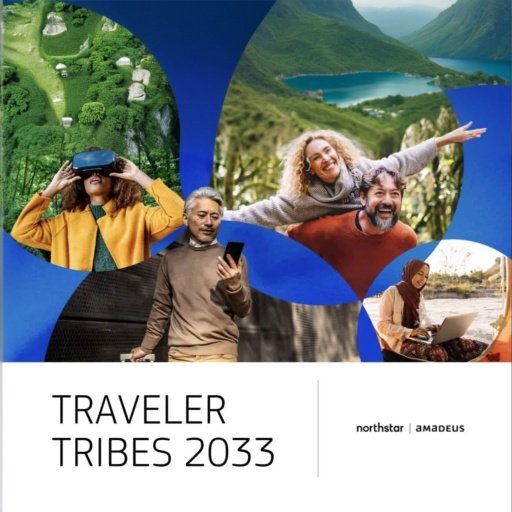
Travel has always been more than just movement from one place to another; it’s a deeply human experience shaped by behavior, desires, and innovation. As we look ahead to 2033, the Traveler Tribes 2033 report, commissioned by Amadeus and conducted by Northstar Research Partners, unveils a future where travel is influenced by evolving societal, technological, and personal priorities. By understanding these emerging Traveler Tribes, stakeholders can adapt to meet the nuanced needs of the next generation of travelers.
The Future Forces Shaping Travel
The travel industry of 2033 will be defined by disruptions called “future forces,” including technological innovation, data personalization, sustainability priorities, and post-pandemic preferences. These forces highlight the trade-offs travelers face, such as the convenience of AI against concerns about privacy, or the desire for sustainable travel against its potential costs.
Seven major future forces identified in the report include:
- Technological Innovation: Enhanced travel experiences through biometrics, super apps, and VR previews.
- Artificial Intelligence (AI): Streamlined processes, predictive maintenance, and personalized services.
- Sustainability Sensitivities: A growing demand for eco-conscious travel choices.
- Data Developments: The need for more personalized, data-driven experiences while addressing cybersecurity concerns.
- Post-Pandemic Preferences: An increase in wellness and reconnecting travel.
- Demographic Developments: Growing international families and diverse traveler demographics.
- Political Pressures: Concerns over geopolitical stability and its impact on travel freedom.
These forces will not only redefine how people travel but also why they choose to explore the world.
Meet the Traveler Tribes of 2033
The report identifies four distinct Traveler Tribes, representing nearly 2 billion travelers:
- Pioneering Pathfinders (43%)
- Open to new technology and sustainability efforts.
- Optimistic about travel’s future and eager to embrace innovation.
- Excited Experientialists (25%)
- Impulsive and instinctive; thrive on exploration and novelty.
- Driven by YOLO (You Only Live Once) philosophy.
- Memory Makers (17%)
- Habitual and sentimental; focus on building cherished memories.
- Less comfortable with technology and rapid change.
- Travel Tech-fluencers (15%)
- Tech-savvy and data-driven; embrace AI and cutting-edge innovations.
- Concerned about cybersecurity and data privacy.
Each tribe offers a unique value to the travel sector, helping shape how experiences, services, and technologies should evolve to cater to their preferences.
Key Travel Trade-Offs in 2033
Travelers of the future will navigate complex trade-offs shaped by their desires and constraints. The Traveler Tribes 2033 report highlights the following critical tensions:
- Fast vs. Frugal: The desire for quicker travel conflicts with rising costs.
- Personalization vs. Privacy: While tailored experiences are valued, data security remains a major concern.
- Sustainability vs. Affordability: Eco-friendly options appeal but at a potentially prohibitive cost.
Understanding these trade-offs allows travel providers to strike the right balance, ensuring offerings resonate with diverse traveler expectations.
Technology’s Role in Travel
Technology will play a pivotal role in the traveler journey of 2033. From VR tours that help plan trips to AI tools that simplify logistics, travelers are increasingly open to leveraging tech. However, trust is key—while 51% of travelers expect to use VR previews, many remain skeptical about AI entirely taking over planning.
Super apps, biometrics, and blockchain-based payment methods are expected to redefine the booking and transit experience, but they must overcome familiarity and trust issues to achieve widespread adoption.
Sustainability and the Say-Do Gap
Although sustainability is a growing priority, there’s a noticeable gap between travelers’ aspirations and actions. Many express enthusiasm for greener travel options, but only 19% are likely to embrace significant lifestyle changes, such as limiting international miles or opting for virtual travel.
The travel industry will need to address this “say-do gap” through education, incentives, and the development of practical, accessible solutions.
Why the Traveler Tribes Matter
Understanding these tribes allows the travel industry to move beyond demographic generalizations and embrace a more nuanced view of traveler behaviors and expectations. By aligning innovations with these insights, stakeholders can deliver exceptional, personalized experiences that cater to both the dreams and apprehensions of 2033’s travelers.
Conclusion
The travel industry is on the brink of transformation, with the Traveler Tribes 2033 report providing a roadmap to navigate this change. By leveraging insights into human behavior, societal trends, and technological advancements, stakeholders can create a travel ecosystem that meets the needs of tomorrow’s adventurers. Whether it’s an impulsive Experientialist or a cautious Memory Maker, the future of travel lies in understanding and embracing the human side of the journey.
Methodology
The Traveler Tribes 2033 report is based on surveys with over 10,000 travelers from 15 countries and insights from 22 experts across industries. Using 5.84 million data points, the study offers a comprehensive view of emerging trends and traveler behaviors.
Final Reflections
The insights from the Traveler Tribes 2033 report underscore the importance of human-centric innovation in the travel industry. As technology advances and sustainability becomes more prominent, the future of travel will depend on balancing personalization, accessibility, and ethical practices.
Three key takeaways stand out:
- Embracing Cognitive Diversity: The four Traveler Tribes highlight the need to move beyond traditional segmentation. By understanding attitudes and behaviors, the industry can create tailored solutions that resonate with the individual values of different travelers.
- Bridging Trade-Offs: Striking a balance between convenience, cost, and ethical considerations is critical. This means investing in technologies that enhance experiences while addressing concerns about privacy, sustainability, and affordability.
- The Role of Collaboration: From airlines to governments, a unified approach is essential for addressing the challenges and opportunities posed by future forces. Collaborative efforts will ensure that the industry evolves in a way that benefits all stakeholders, particularly travelers.
These reflections remind us that the future of travel is not only about innovation but also about maintaining the human connection that makes travel meaningful.