
Introduction
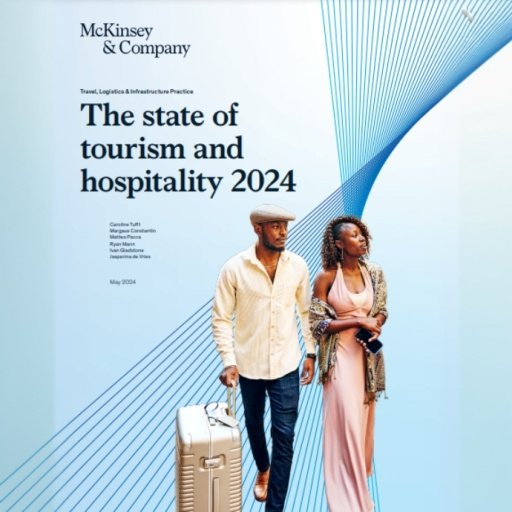
The tourism and hospitality industry is undergoing significant transformation, as highlighted in the “State of Tourism and Hospitality 2024” report by McKinsey & Company. This comprehensive analysis reveals evolving trends in traveler preferences, luxury travel growth, and the rise of emerging destinations, all poised to shape the future of tourism.
With global travel spending expected to reach $8.6 trillion in 2024, the industry presents immense opportunities for destinations and businesses to innovate and adapt.
Key Trends Reshaping Tourism in 2024
- Domestic and Regional Travel Lead the Way
- Domestic travel continues to dominate, representing 75% of global travel spending in 2023, with steady growth projected through 2030.
- Intraregional travel is also thriving, driven by affordable transport and reduced visa barriers, particularly in Asia and Europe.
- Personalized and Sustainable Experiences
- Travelers increasingly demand customized experiences, prioritizing cultural immersion and authenticity.
- Sustainability has become a core focus, with destinations investing in eco-conscious practices to preserve natural and cultural heritage.
- Luxury Travel Redefined
- Luxury tourism is the fastest-growing segment, particularly in Asia, fueled by a surge in high-net-worth individuals.
- Younger luxury travelers seek unique and socially responsible experiences, reflecting a shift from traditional notions of opulence.
Emerging Travel Archetypes
The report identifies seven distinct traveler archetypes shaping tourism:
- Sun and Beach Travelers: Prioritize relaxation and accessibility.
- Culture Seekers: Value authenticity and unique cultural experiences.
- Adventure Enthusiasts: Pursue physically engaging, remote activities.
- Luxury Explorers: Seek privacy, exclusivity, and immersive luxury.
- Strategic Spenders: Balance cost-consciousness with occasional indulgence.
- Trend-Conscious Jet-Setters: Influenced by social media and branding.
- Cost-Conscious Travelers: Favor familiarity and affordability.
Understanding these archetypes allows businesses to tailor offerings to meet specific demands.
The Rise of New Destinations
Emerging destinations like Vietnam, Rwanda, and Peru are gaining traction through strategic investments in tourism infrastructure and marketing. These nations are positioning themselves as alternatives to traditional hotspots by focusing on niche markets such as adventure tourism and sustainable travel.
Strategic Implications for the Tourism Sector
- Innovative Business Models
- Companies must embrace digital transformation, including AI-driven personalization and dynamic pricing.
- Sustainability as a Value Proposition
- Destinations that integrate eco-friendly initiatives will attract environmentally conscious travelers.
- Data-Driven Marketing
- Leveraging data analytics to understand traveler behavior and craft targeted campaigns will be pivotal.
Methodology Synopsis
The report uses data from over 230 global markets, supported by surveys, focus groups, and predictive models. It provides an in-depth examination of traveler behaviors, preferences, and industry trends.
Conclusion
The “State of Tourism and Hospitality 2024” provides a roadmap for navigating the industry’s evolving landscape. With personalization, sustainability, and digital innovation at the forefront, stakeholders have unprecedented opportunities to redefine travel experiences for the next generation.