
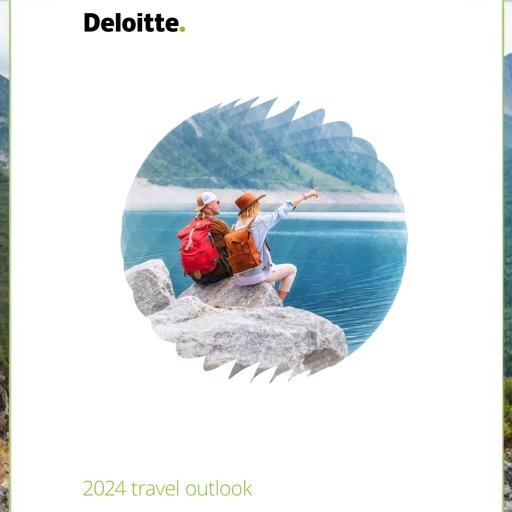
The 2024 outlook for the US travel and hospitality industry, as reported by Deloitte, presents a compelling overview of current trends, challenges, and opportunities shaping the sector. After navigating the pandemic-induced turbulence, the industry shows signs of resilience and adaptability, with shifting consumer behaviors and technological advancements playing crucial roles.
Leisure Travel Demand: From Revenge to Reprioritization
The phenomenon of “revenge travel,” where consumers embarked on trips to make up for lost time during the pandemic, appears to be waning. However, this has given way to a sustained interest in travel, indicating a shift from impulsive trips to a more integrated priority in consumers’ lives. The consistent share of travel in American wallets, even amidst financial anxiety, underscores the enduring value placed on vacation and exploration.
Key indicators such as increased enthusiasm for in-destination activities and a rising interest in diverse destinations further highlight the positive outlook for leisure travel. The return of baby boomers to travel and the flexibility afforded by remote work arrangements are poised to bolster travel demand in 2024. However, economic downturns could lead to conservative travel behaviors, particularly among lower-income groups, potentially impacting travel frequency and spending on certain luxuries.
Corporate Travel: Balancing Budget and Strategic Benefits
Corporate travel is on a path to recovery, with spending expected to approach pre-pandemic levels by the second half of 2024. Business leaders are adopting a cautious approach to travel budgets, balancing cost concerns with the strategic benefits of client relationship-building and team collaboration. Despite economic and political uncertainties, corporate travel is set to make significant gains, driven by the necessity of face-to-face interactions in business success.
The shift towards remote and hybrid work arrangements has led to an increase in business travelers extending their trips, combining work with leisure. This trend presents opportunities for travel providers to cater to the needs of “laptop luggers” who require appealing workspaces and convenient amenities, alongside options for local activities and guided tours.
Technological Advancements: The Role of Gen AI
Generative AI (Gen AI) is making a notable impact on the travel industry, enhancing both operational efficiency and customer experiences. From call center efficiencies to personalized marketing strategies, AI is being leveraged to optimize various facets of travel operations. While visible applications of Gen AI, such as new booking options, attract attention, its back-office capabilities may prove to be even more influential.
Travel providers are increasingly utilizing AI to refine advertising strategies, create engaging marketing content, and personalize offerings. In 2024, the integration of AI into core operational functions is expected to evolve further, promising significant advancements in the travel planning process for both providers and consumers.
Methodology:
The insights presented in this report are based on Deloitte’s research, which includes leisure travel surveys fielded to approximately 2,000 Americans in advance of the summer and holiday travel seasons from 2021 to 2023, a survey of corporate travel managers conducted in February 2023, and Deloitte’s ConsumerSignals, a monthly survey of 1,000 Americans.
Significance for the Current and Future Tourism Sector:
Technological Integration: The increasing role of AI in the travel industry underscores the need for providers to stay ahead of technological advancements. Embracing AI not only enhances operational efficiency but also allows for more personalized and engaging consumer experiences. As AI continues to evolve, its impact on the travel industry will likely grow, making it a critical area of focus for providers looking to remain competitive.
Resilient Leisure Travel Demand: The shift from revenge travel to a prioritization of travel in consumers’ lives suggests a long-term stability in travel demand. This indicates that the industry can expect a steady influx of travelers who see travel as an essential part of their lifestyle, ensuring continued growth and opportunities for innovation in leisure travel offerings.
Corporate Travel Recovery: The anticipated recovery in corporate travel spending highlights the importance of business travel in fostering client relationships and team cohesion. Travel providers that can offer flexible and appealing solutions for business travelers will likely see significant benefits, particularly those catering to the evolving needs of remote and hybrid workers.